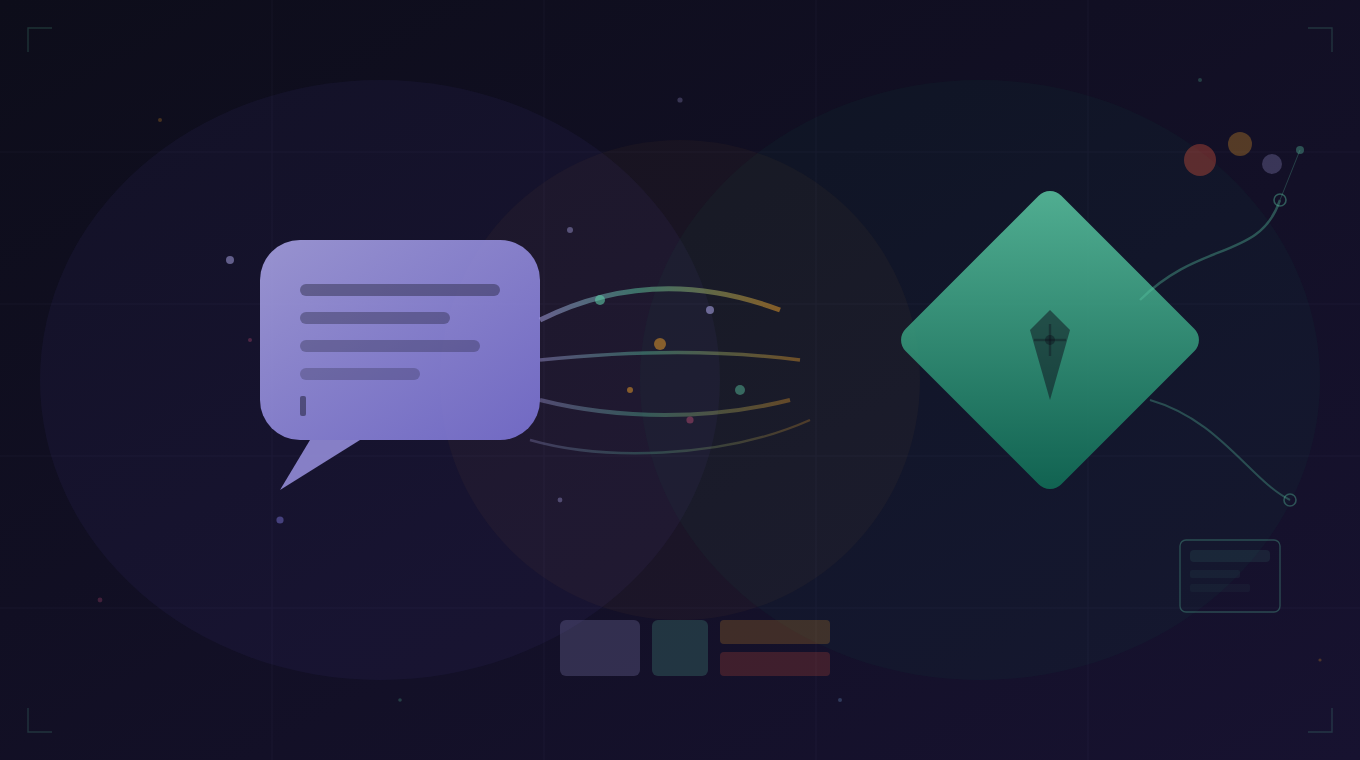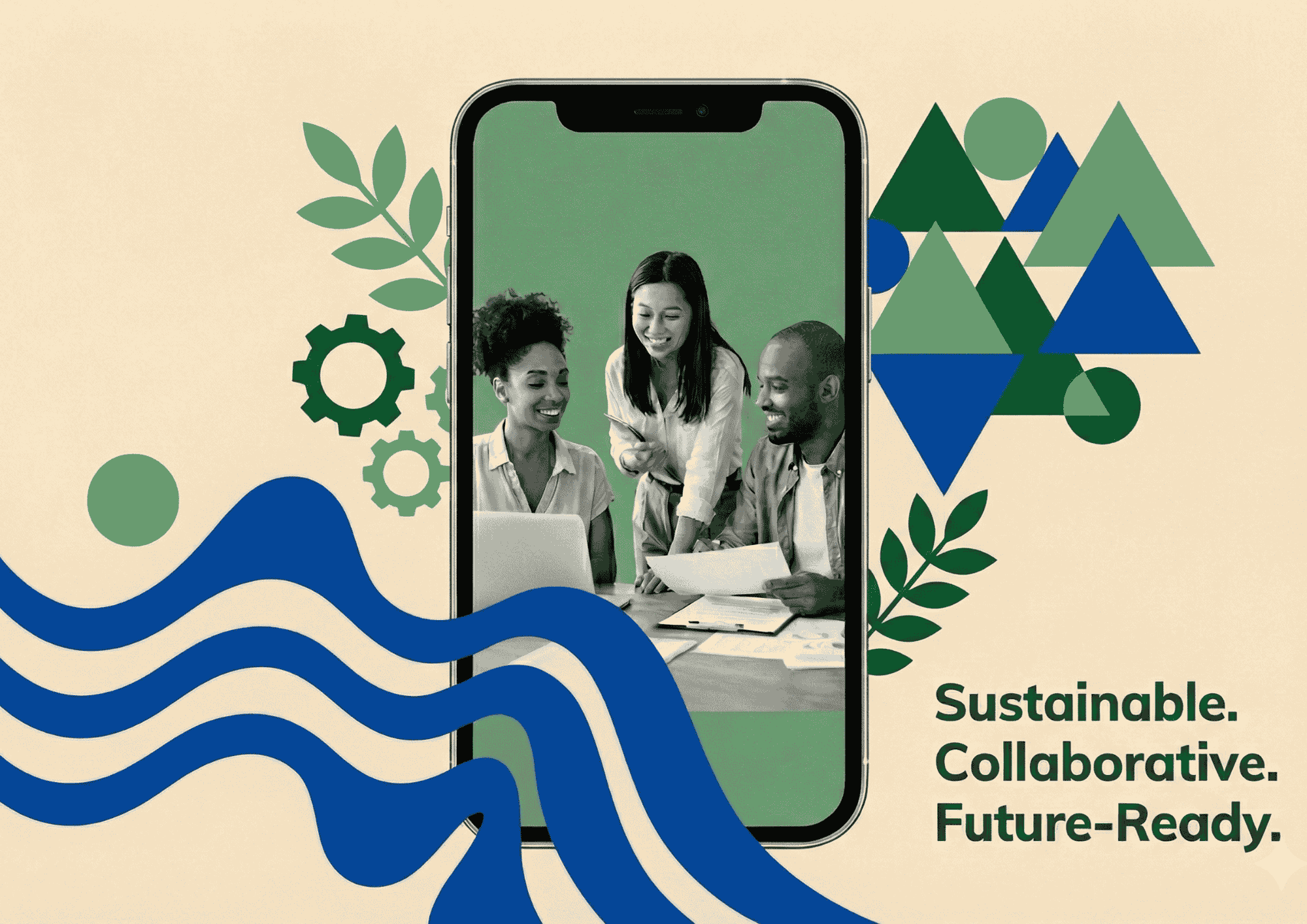
The design industry has always been shaped by the tools at its disposal – from the printing press to Photoshop, from sketchpads to Sketch. But in 2026, the most transformative force in design isn’t a piece of software with a canvas. It’s a conversation. Claude, the AI assistant built by Anthropic, has quietly become one of the most influential collaborators in the modern design workflow, reshaping how designers think, iterate, and deliver.
From Blank Canvas to First Draft in Minutes
Every designer knows the pain of the blank page. Whether it’s a landing page, a pitch deck, or a product interface, the hardest part is often just starting. Claude has changed that dynamic entirely. Designers now begin projects by describing what they need in plain language — a layout for a fintech onboarding flow, a colour palette inspired by mid-century Japanese posters, a set of icon concepts for a sustainability brand — and Claude responds with structured, actionable starting points.
This isn’t about replacing the designer’s eye. It’s about compressing the distance between idea and execution. What once took a morning of mood-boarding and wireframing now takes a few exchanges. The designer still makes every meaningful decision, but the cognitive overhead of getting started has dropped dramatically.
Prototyping at the Speed of Thought
One of the most concrete shifts has been in prototyping. Claude can generate functional front-end code — React components, HTML layouts, interactive widgets — directly from a design brief. For designers who aren’t deeply technical, this is a superpower. They can describe an interaction, see it rendered, tweak the description, and iterate in real time.
This has collapsed the traditional handoff between design and development. Instead of producing static mockups and hoping the engineering team interprets them faithfully, designers now arrive at review meetings with working prototypes. The conversation shifts from “here’s what I envision” to “here’s what it does.” That’s a profound change in how design is communicated and evaluated.
Research and Strategy, Accelerated
Design doesn’t start with pixels. It starts with understanding — of users, markets, competitors, and constraints. Claude has become an indispensable research partner in this phase. Designers use it to synthesise user interview transcripts, audit competitor interfaces, generate persona frameworks, and draft content strategies.
What makes Claude particularly effective here is its ability to hold nuance. It doesn’t flatten complexity into bullet points. When a designer asks it to analyse a set of user pain points, it can surface tensions and contradictions — the kind of insights that lead to genuinely original design solutions. It thinks with the designer, not just for them.
Democratising Design Thinking
Perhaps the most significant impact Claude has had isn’t on professional designers at all — it’s on everyone else. Product managers, founders, marketers, and engineers are now able to engage with design thinking in ways that were previously inaccessible. They can generate wireframes, explore layout options, and build simple interfaces without needing years of training in design tools.
This hasn’t devalued professional design. If anything, it’s done the opposite. As more people gain a baseline fluency in design, the demand for truly exceptional, deeply considered design work has only grown. The bar has risen, and senior designers find themselves doing more strategic, higher-impact work than ever before.
The Presentation Revolution
Design work has to be sold — to clients, stakeholders, and leadership teams. Claude has transformed how designers build and deliver presentations. From generating polished slide decks to structuring compelling narratives around design decisions, it handles the labour-intensive parts of storytelling so that designers can focus on the story itself.
A designer preparing for a client pitch can now draft a complete presentation — with clear rationale, visual references, and structured arguments — in a fraction of the time it once took. The result isn’t just efficiency. It’s better communication, which leads to better outcomes.
What Hasn’t Changed
For all the ways Claude is reshaping the industry, the core of design remains untouched. Empathy can’t be automated. The ability to sit with ambiguity, to advocate for the user when the business pushes back, to make a hundred small judgment calls that add up to something beautiful and functional — that’s still profoundly human work.
Claude doesn’t have taste. It doesn’t feel the friction of a confusing interface or the delight of a perfectly timed animation. What it does is remove the busywork that kept designers from spending more time on the things that actually matter.
Looking Ahead
We’re still in the early chapters of this story. As Claude’s capabilities continue to evolve — deeper integration with design tools, richer understanding of visual systems, more sophisticated collaboration patterns — the relationship between AI and design will only deepen.
The designers who thrive in this new landscape won’t be the ones who resist the shift. They’ll be the ones who treat Claude as what it is: the most versatile creative partner they’ve ever had, and one that never gets tired of a brief.
Our Approach
We integrate AI tools like Claude directly into our design and strategy processes. Using them to accelerate research, generate first drafts, and rapidly prototype concepts, while our team handles the judgment calls that matter most: brand voice, emotional resonance, and strategic positioning. This lets us operate at a pace and scale that would have been unthinkable a few years ago, without sacrificing the craft and intentionality our clients expect. For us, AI isn’t a shortcut, it’s infrastructure. And that hybrid approach, blending human intelligence with AI capability, is what allows us to consistently deliver work that’s both fast and thoughtful.