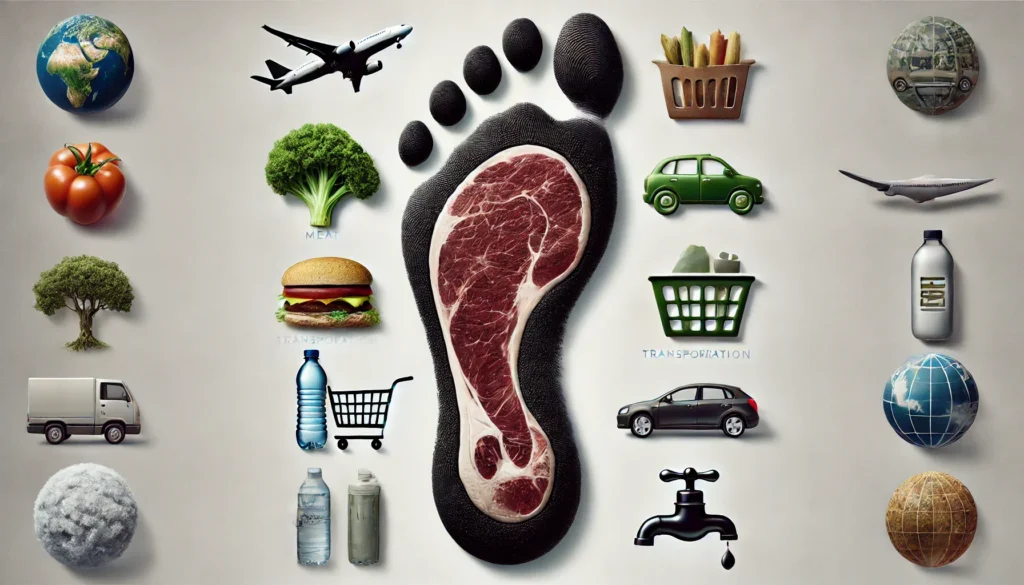
Many of us ponder: Can one individual make a difference? Do my actions truly impact the world? What can I do personally to combat climate change? One effective solution for those willing and ready to take action is to reduce your carbon footprint. When considering ways to lessen your personal impact, it’s beneficial to categorize actions broadly. Going green might seem daunting initially, and everyone has their own constraints. Begin by selecting a few initiatives and steadily expand from there. Let’s delve into some practical ideas:
Reduce Your Energy Consumption at Home
-
Switch to Renewable Energy
One of the most impactful ways to reduce your carbon footprint is to switch to renewable energy sources. Many utility companies offer green energy options derived from solar, wind, or hydro power. By choosing renewable energy, you can significantly lower your home’s carbon emissions.
-
Improve Home Insulation
Proper insulation reduces the need for heating and cooling, which are significant sources of energy consumption. Ensuring your home is well-insulated will not only reduce energy use but provide cost savings on energy; it’s a win-win.
-
Use Energy-Efficient Appliances
Investing in ENERGY STAR-rated appliances can lead to substantial energy savings. These appliances are designed to use less energy while maintaining performance, which helps lower your electricity bills and carbon footprint.
-
Embrace LED Lighting
LED bulbs use up to 80% less energy than traditional incandescent bulbs and last significantly longer. Replacing your home’s lighting with LEDs is a simple yet effective way to reduce energy consumption.
Opt For Greener Transportation Choices

-
Opt for Public or Shared Transportation
Public transportation systems, such as buses, trains, and subways, are more energy-efficient than individual car travel. Whenever possible, use public transit to reduce your carbon emissions. Alternatively, sharing rides with others reduces the number of vehicles on the road, leading to lower overall emissions. Carpooling or using ridesharing services can help you contribute to a decrease in traffic-related pollution.
-
Walk or Bike
For shorter trips, consider walking or biking instead of driving. These modes of transportation are not only zero-emission but also promote a healthier lifestyle.
Consider the Environmental Impact of Your Diet

-
Eat Less Meat
The production of meat, especially beef, is a significant source of greenhouse gas emissions. Reducing your meat consumption, even just by having a few meat-free days per week, can lower your carbon footprint.
-
Choose Local and Seasonal Foods
Locally-sourced and seasonal foods require less transportation and energy to produce. Shopping at farmers’ markets or joining a community-supported agriculture (CSA) program can support local farmers and reduce emissions.
-
Reduce Food Waste
Approximately one-third of all food produced is wasted, leading to unnecessary emissions. Plan your meals, store food properly, and use leftovers creatively to minimize food waste. Next time you’re stuck wondering what to do with leftovers, perishables nearing expiration, etc. try searching what you could make with those ingredients!
Switch to Sustainable Consumption Practices

-
Buy Less, Choose Better
Adopt a minimalist approach by buying only what you need and choosing high-quality, durable products. This reduces the demand for manufacturing and the associated emissions.
-
Support Eco-Friendly Brands
Research and support companies that prioritize sustainability and ethical practices. These businesses often use sustainable materials and have lower environmental impacts.
-
Use Reusable Products
Switching to reusable products, such as water bottles, shopping bags, and food containers, reduces the need for single-use plastics, which are derived from fossil fuels and contribute to pollution.
-
-
Recycle and Compost
When you can’t reuse, properly recycling paper, plastic, glass, and metal can significantly reduce the amount of waste that ends up in landfills. Additionally, composting organic waste can enrich soil and reduce methane emissions from landfills.
Implement Water Conservation Strategies
-
Install Water-Efficient Fixtures
Low-flow showerheads, faucets, and toilets can significantly reduce water usage. Less water usage means less energy required for water heating and treatment.
-
Fix Leaks
Even small leaks can lead to substantial water waste over time. Regularly check for and repair any leaks in your home to conserve water and reduce energy use.
-
Use a Rain Barrel
Collecting rainwater for outdoor use, such as watering plants or washing cars, reduces the demand on municipal water supplies and the energy needed to treat and pump water.
It Doesn’t Have to Be Everything All at Once

These are just a few ideas among the endless ways you can reduce your carbon footprint. Even the smallest changes can make a significant impact, and every step towards sustainability is a step in the right direction. It’s not easy to make a complete shift all at once, so start with a few ideas, hold yourself accountable, and gradually build from there.
-
Ready to fight climate change and make a real impact? The Growth Shark has you covered! Take your bold steps with us to shrink your carbon footprint.