In today’s world, the need for businesses to adopt sustainable practices has never been more critical. With the planet facing unprecedented environmental challenges such as climate change, biodiversity loss, and resource depletion, the role of businesses in mitigating these threats cannot be overstated. Large-scale corporations, in particular, have a significant responsibility to lead the way in reducing their environmental footprint and promoting sustainability.
According to recent studies, if current trends continue unchecked, the Earth is on track to exceed the critical threshold of 1.5 degrees Celsius of global warming within the next two decades. This alarming trajectory could lead to catastrophic consequences, including more frequent and severe natural disasters, disrupted ecosystems, and adverse impacts on human health and livelihoods. Furthermore, it’s essential to recognize that accessibility and cost can sometimes hinder individuals from choosing sustainable options over convenience. This underscores the pivotal role that corporations play in ensuring the availability and affordability of sustainable alternatives for consumers.
Sustainable Practices Across Industries
While common sustainable practices like recycling and energy conservation are essential for all businesses, there are industry-specific strategies that can further enhance environmental stewardship. By delving into more niche sustainable practices tailored to each sector, businesses can unlock new opportunities for reducing their environmental footprint and fostering sustainability. Let’s take a closer look at innovative approaches that industries can adopt to drive positive change and contribute to a greener future.
Tech and Software
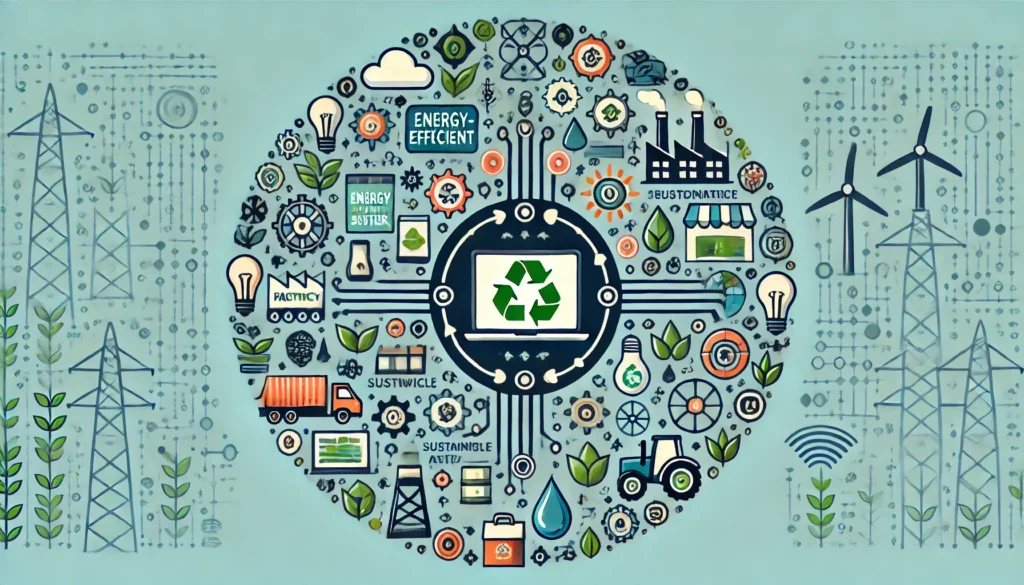
In the tech and software sector, embracing sustainability involves adopting energy-efficient technologies and implementing practices to minimize carbon emissions. Consider the following strategies:
- Energy-Efficient Technologies: Utilize energy-efficient hardware and data center management practices to reduce electricity consumption.
- Remote Work Policies: Implement remote work policies to reduce carbon emissions associated with commuting and office energy use.
- Product Development: Develop software solutions that promote sustainability, such as energy-saving applications and tools for environmental monitoring.
Fashion, Commerce, and Consumer Goods
For businesses in fashion, commerce, and consumer goods, sustainability entails prioritizing eco-friendly materials and minimizing waste. Explore the following practices:
- Sustainable Sourcing: Prioritize the use of organic, recycled, and responsibly sourced materials in product manufacturing.
- Circular Economy Principles: Embrace circular economy principles by designing products for longevity, facilitating repair and recycling, and minimizing packaging waste.
- Packaging Solutions: Implement eco-friendly packaging materials and minimalist packaging designs to reduce environmental impact.
Industrial Sector
In the industrial sector, sustainable practices focus on optimizing manufacturing processes and reducing resource consumption. Consider the following initiatives:
- Resource Optimization: Optimize manufacturing processes to minimize waste generation and energy consumption.
- Renewable Energy Integration: Invest in renewable energy sources such as solar and wind power to reduce reliance on fossil fuels.
- Closed-Loop Systems: Implement closed-loop systems for water and resource management to minimize environmental impact.
Agriculture
Sustainable agriculture involves adopting practices that promote soil health, biodiversity, and resource efficiency. Explore the following strategies:
- Regenerative Farming: Adopt regenerative agricultural practices that enhance soil fertility, carbon sequestration, and ecosystem resilience.
- Organic Methods: Reduce reliance on synthetic fertilizers and pesticides by transitioning to organic farming methods.
- Precision Agriculture: Utilize precision agriculture techniques to optimize resource use, minimize environmental impact, and enhance crop productivity.
Entertainment
In the entertainment industry, sustainability initiatives focus on reducing carbon emissions from production and venue management. Consider the following sustainable practices:
- Green Filmmaking: Minimize carbon emissions from film production by implementing sustainable filmmaking practices and utilizing renewable energy sources.
- Eco-Friendly Venue Management: Promote eco-friendly venue management practices for events and concerts, including waste reduction, energy efficiency, and sustainable transportation options.
- Digital Distribution: Embrace digital streaming platforms and online distribution channels to reduce the environmental impact of physical media production and distribution.
Conclusion: The Urgency of Sustainable Action

As businesses continue to prioritize convenience over sustainability, the consequences of our collective inaction become increasingly dire. Without significant changes in corporate practices, we risk exacerbating environmental degradation, endangering ecosystems, and compromising the well-being of future generations.
It’s time for businesses to recognize their role as stewards of the planet and commit to meaningful sustainability initiatives. By adopting sustainable practices across industries, corporations can not only mitigate environmental harm but also contribute to a more resilient and prosperous future for all.