Welcome to the world of eco-friendly branding and sustainable business practices. In today’s environmentally conscious landscape, the demand for eco-friendly brands and sustainable products continues to soar. But what does it truly mean to be an eco-friendly brand? How do brands navigate the vast array of eco-friendly materials and alternatives to plastic while maintaining sustainability at the core of their business model? These questions underscore the importance of understanding the principles of sustainable branding and the emerging concept of ESG (Environmental, Social, and Governance) branding.
Join us as we delve into the essence of eco-friendly branding, explore top ways that you can make your business more environmentally responsible, and uncover the intricacies of sustainable business models. Whether you’re a consumer seeking eco-friendly alternatives or a business owner looking to align with sustainable values, this blog promises insights and inspiration for a greener, more sustainable future.
Ways to Make Your Brand More Environmentally Responsible
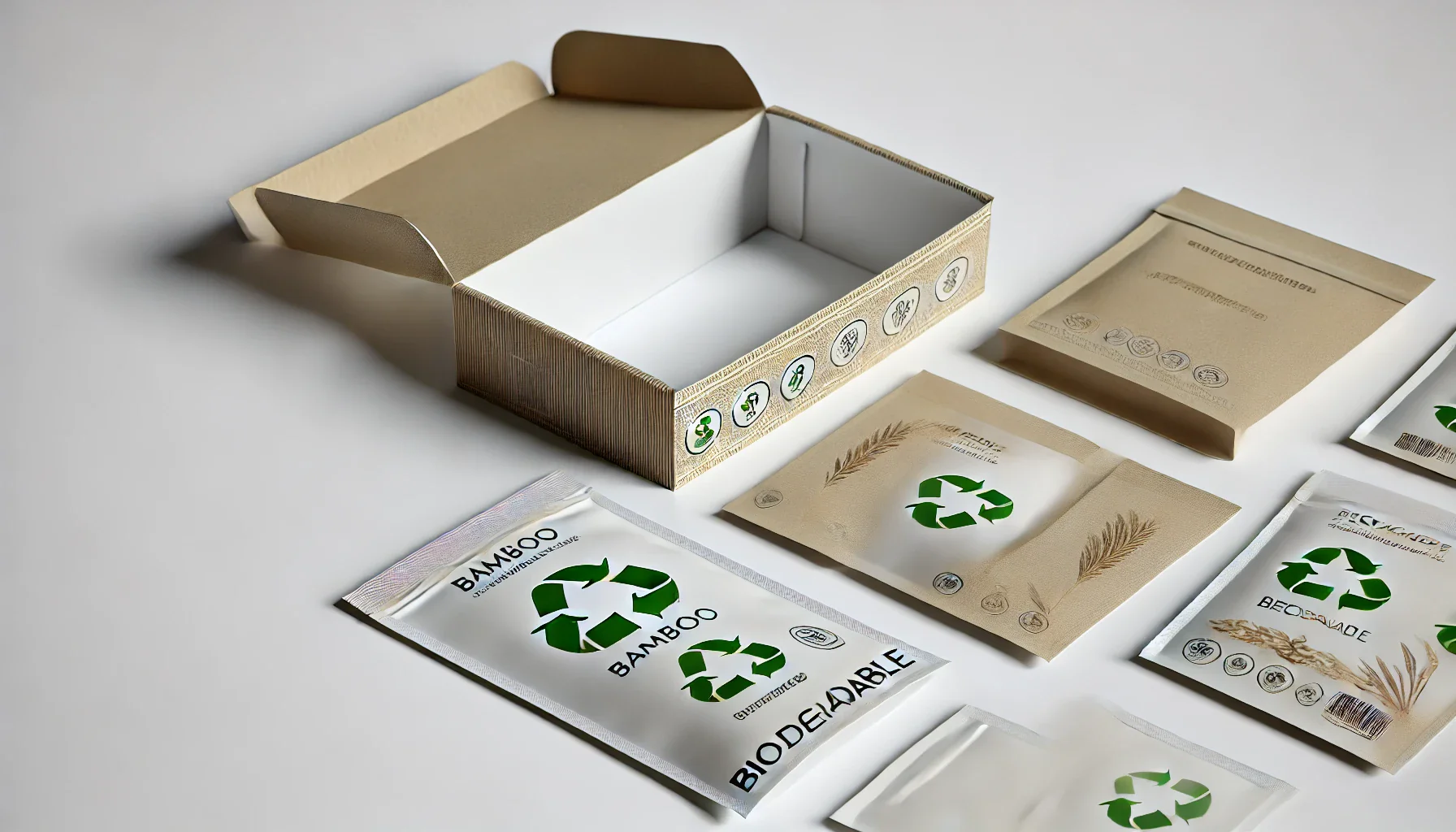
Materials and Packaging:
- Sustainable Materials: Explore alternative materials like bamboo, hemp, or recycled paper for packaging to reduce environmental impact.
- Minimalist Packaging: Design packaging with minimal materials and avoid excessive use of plastics or non-recyclable materials.
- Biodegradable Additives: Use biodegradable additives in packaging materials to facilitate decomposition and reduce pollution.
Operations and Supply Chain:
- Energy Efficiency: Implement energy-efficient practices in operations, such as using LED lighting, optimizing heating and cooling systems, and investing in energy-saving equipment.
- Ethical Sourcing: Ensure suppliers adhere to fair labor practices and ethical sourcing standards, promoting social responsibility throughout the supply chain.
- Local Sourcing: Prioritize sourcing materials locally to reduce transportation emissions and support local economies.
Waste Reduction and Recycling:
- Zero-Waste Initiatives: Implement practices to minimize waste generation, promote recycling and composting, and encourage material reuse.
- Employee Sustainability Programs: Establish training programs to educate employees on sustainability practices and encourage participation in eco-friendly initiatives.
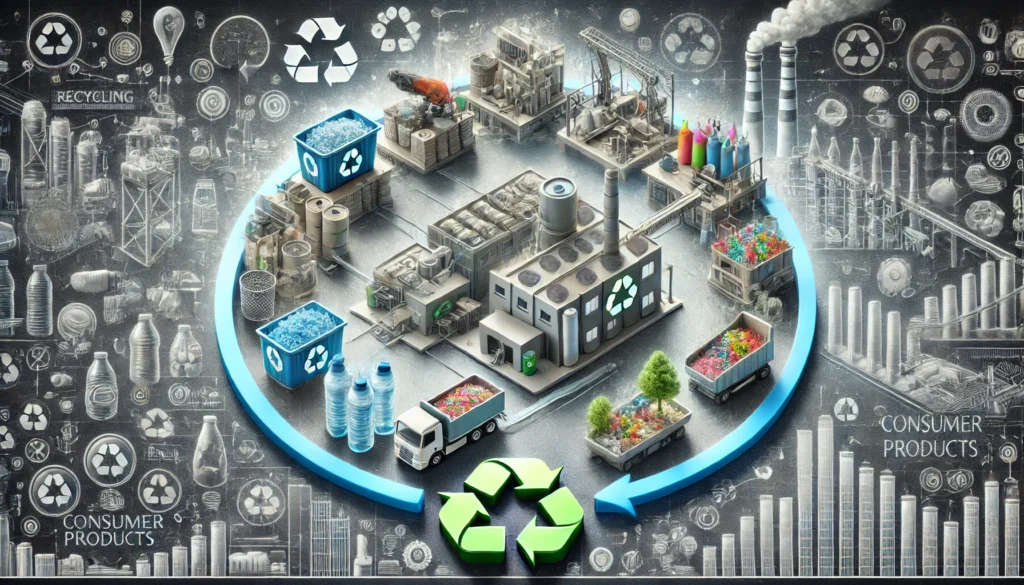
- Closed-Loop Systems: Implement closed-loop systems where waste from one process becomes a resource for another, minimizing waste generation and maximizing resource efficiency.
Community Engagement and Marketing:
- Employee Volunteer Programs: Organize volunteer opportunities for employees to participate in environmental initiatives, fostering a sense of community and corporate social responsibility.
- Green Events Sponsorship: Sponsor or host environmental events like sustainability fairs or eco-conscious workshops to engage with the community and promote sustainable practices.
- Environmental Education: Develop educational materials or workshops for consumers to raise awareness about environmental issues and inspire sustainable lifestyle choices.
Consumer Awareness and Partnerships:
- Carbon Labeling: Provide carbon footprint information on products to empower consumers to make informed choices and raise awareness about environmental impact.
- Partnerships with Environmental Organizations: Collaborate with NGOs or nonprofits to support conservation efforts and demonstrate your brand’s dedication to environmental causes.
- Eco-Friendly Certifications: Obtain eco-friendly certifications like Forest Stewardship Council (FSC) certification for wood products or USDA Organic certification for agricultural products, providing third-party validation of sustainability claims.
What is an Eco-Friendly Business Model?
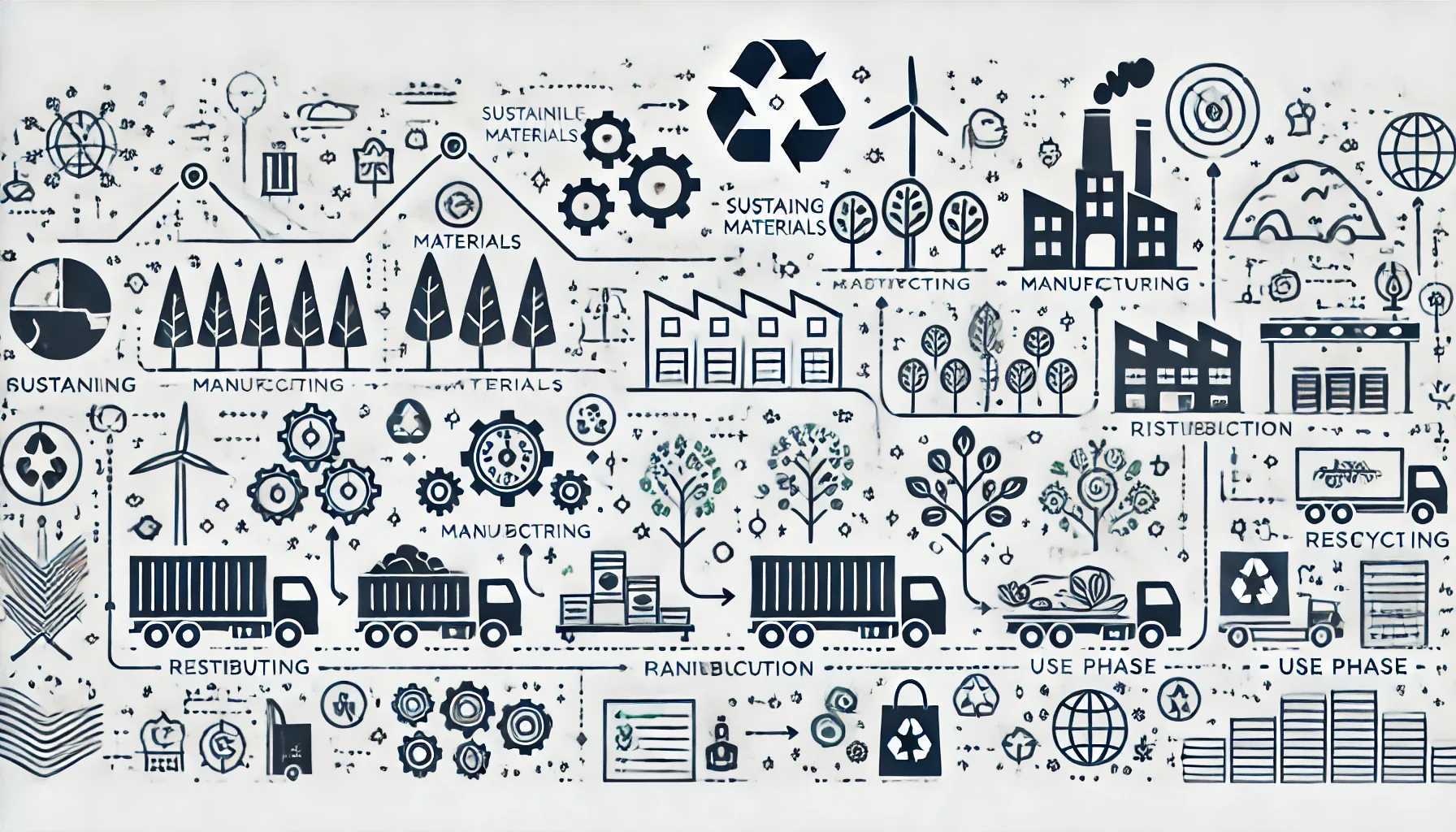
An eco-friendly business model, also known as a sustainable business model, prioritizes environmental responsibility and social impact alongside profitability. It involves integrating sustainability principles into all aspects of operations, from sourcing materials and manufacturing processes to distribution, marketing, and disposal. Key components of an eco-friendly business model include:
- Sustainable Sourcing: Choosing eco-friendly materials and suppliers that minimize environmental impact and support ethical practices.
- Resource Efficiency: Implementing measures to reduce energy consumption, water usage, and waste generation throughout the production and supply chain.
- Circular Economy: Embracing a circular economy approach by designing products for longevity, recyclability, and reparability, thus minimizing waste and promoting reuse.
- Social Responsibility: Ensuring fair labor practices, promoting diversity and inclusion, and contributing positively to the communities in which the business operates.
- Transparency and Accountability: Communicating transparently with stakeholders about the company’s environmental and social performance, including goals, progress, and areas for improvement.
In Conclusion: Shaping a Sustainable Future through Eco-Friendly Branding
Eco-friendly branding is not just about meeting a trend; it’s about embracing a fundamental shift towards sustainability and responsibility. As the world increasingly recognizes the urgency of environmental preservation, businesses must heed the call for action and lead by example. By integrating eco-friendly materials and packaging, optimizing operations and supply chains for efficiency, championing waste reduction and recycling initiatives, engaging communities through meaningful partnerships, and fostering consumer awareness, brands can forge a path toward a greener future. But beyond the practical steps lies a deeper ethos—an eco-conscious business model built on principles of sustainability, transparency, and social impact. It’s about redefining success to encompass not just profitability but also environmental stewardship and societal well-being.
Consider this: a recent survey found that 73% of consumers are willing to change their consumption habits to reduce their environmental impact. The evidence is clear—consumers seek eco-friendly options. As a business, it’s your responsibility to demonstrate that you’re the sustainable choice.
Ready to take your brand to the next level with sustainable practices? Book a free call with The Growth Shark today! We’ll help you transform your business with eco-friendly strategies that drive growth